Design thinking left out the most important part
What remains of studio knowledge once it’s reduced to five steps — and how to bring it back
- Number
- Nr. 004
- Type
- writing
- Year
- File
- design-thinking.jpg
Anyone who has worked in a company over the past twenty years knows the poster: five hexagons in cheerful colours — Empathize, Define, Ideate, Prototype, Test. Design thinking achieved something valuable. It showed people in management, engineering and administration that designers approach problems differently, and it gave them tools. My thesis all the same: on its way onto the poster, the most important part got lost.
What came before the poster
Long before IDEO and Stanford’s d.school, founded in 2005, made the term famous, researchers had described how designers think. In 1969 Herbert Simon called design the science of how things ought to be, as opposed to the natural sciences, which describe how things are. In 1973 Horst Rittel and Melvin Webber showed that planning problems are wicked: you can’t define them first and solve them afterwards, because every solution changes the problem.
In 1982 Nigel Cross spoke of designerly ways of knowing. In 1983 Donald Schön described how architects work in the studio: they draw, the drawing contradicts them, they draw again. He called this reflection-in-action. The knowledge doesn’t sit in the head waiting to be applied. It emerges in the making.
What got lost in translation
That kind of knowledge is hard to pack into a two-day workshop. So it was replaced by a sequence, and the sequence has two problems.
First, it looks linear, however often the diagram insists you may jump back. In practice the prototype gets built at the end, as proof, not at the beginning, as a tool for thinking. Second, it treats creativity as quantity: lots of sticky notes, quick judgements, voting with dots. The studio works differently. There, quality comes not from the number of ideas but from the patience to wrestle with one idea until it talks back.
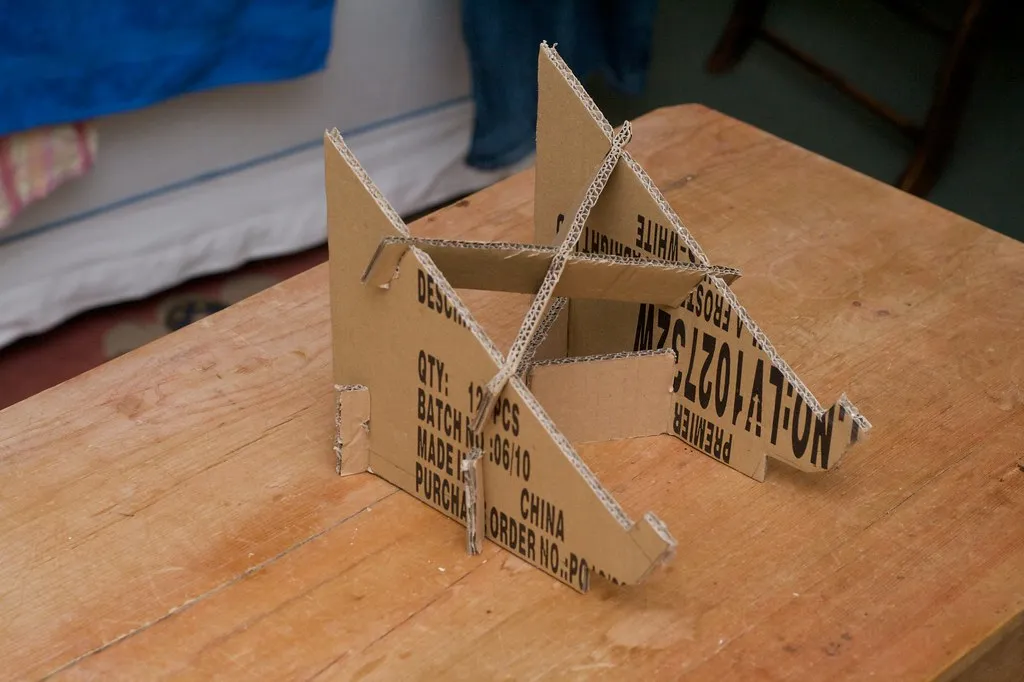 Fig. 1 — A prototype made of cardboard and tape. Its value lies less in the result than in what you notice while building it.
The tools, with their limits
The tools are good if you use them as a reason to make things rather than a substitute for making. Four of them I consider useful.
Cluster map. The problem in the middle, everything connected to it around it. It shows how big a problem is. Its limit: it doesn’t show what matters. After half an hour there are 80 terms on the wall, and they all look the same size.
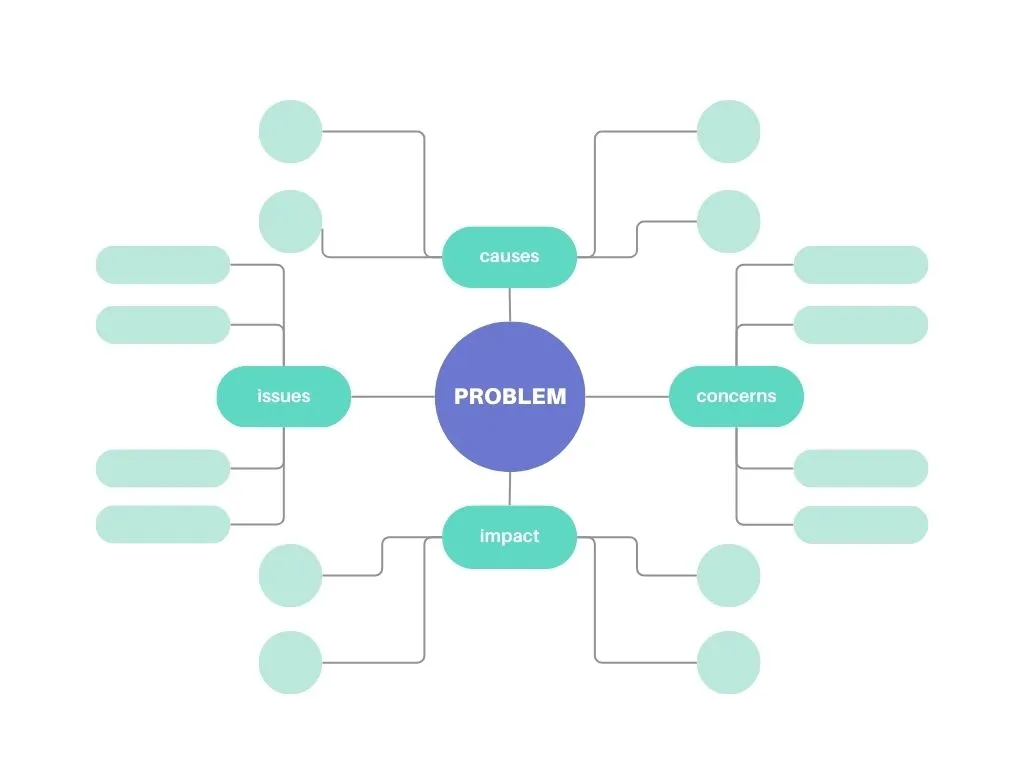 Fig. 2 — Cluster map: the problem in the middle, its connections around it.
Issues map. The same problem from five directions: social, economic, technological, ecological, political. It forces you to look beyond your own discipline. Its limit: the five categories are a convention, not a truth, and culture or the body easily fall through.
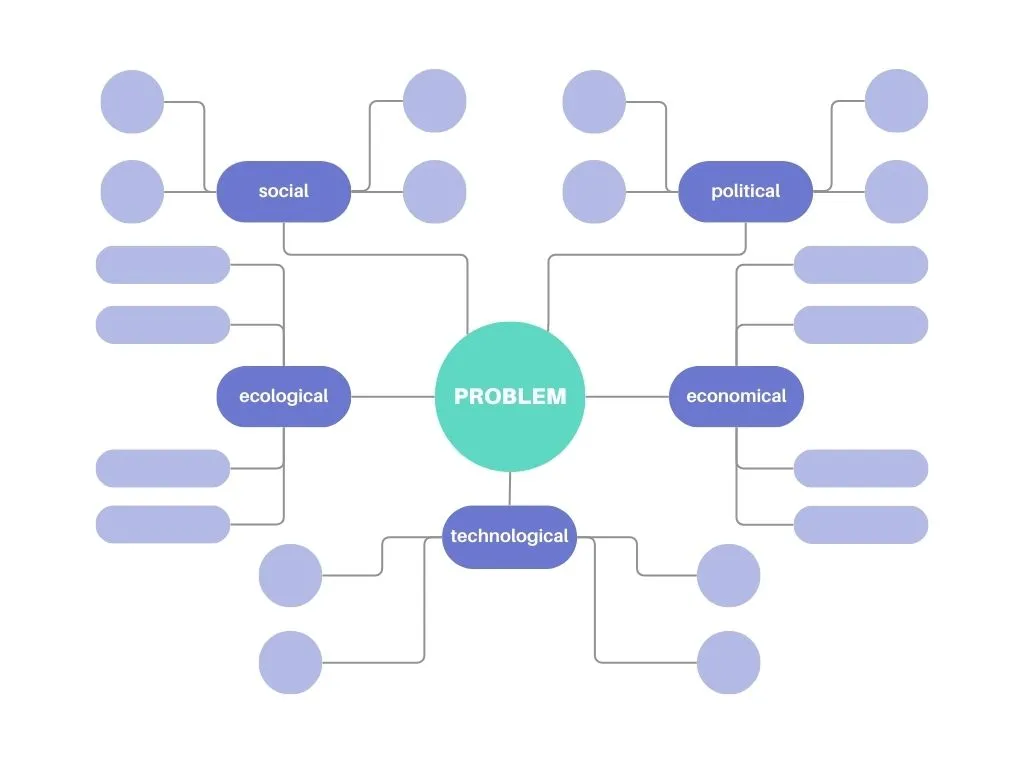 Fig. 3 — Issues map: one problem, five perspectives.
Stakeholder map with non-human actors. The classic map shows users, clients, authorities. Add trees, animals, soil, water. This is not ecological decoration. Whoever writes the tree onto the map as a participant plans a square differently from someone who draws it in as an obstacle.
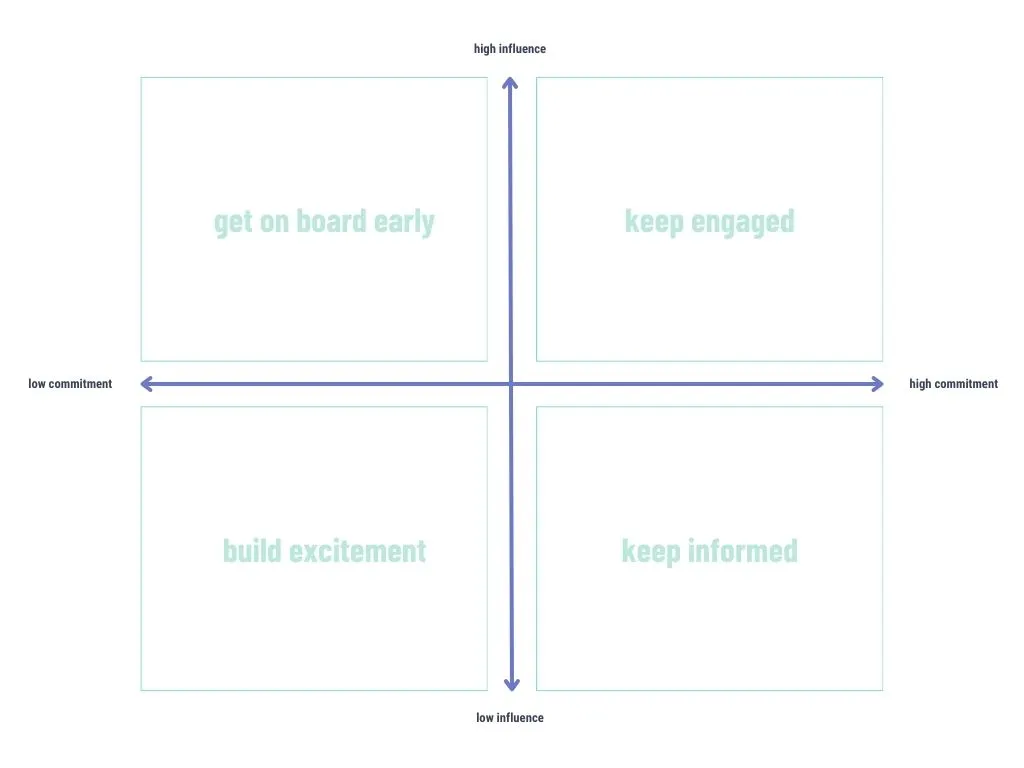 Fig. 4 — Stakeholder map, extended to include actors who can’t speak.
Fake ad. Before the product exists, you design the ad for it: headline, image, one sentence of benefit. If the ad is embarrassing, the idea usually is too. Its limit: it tests the promise, not the thing. A good ad can carry a weak idea for a while.
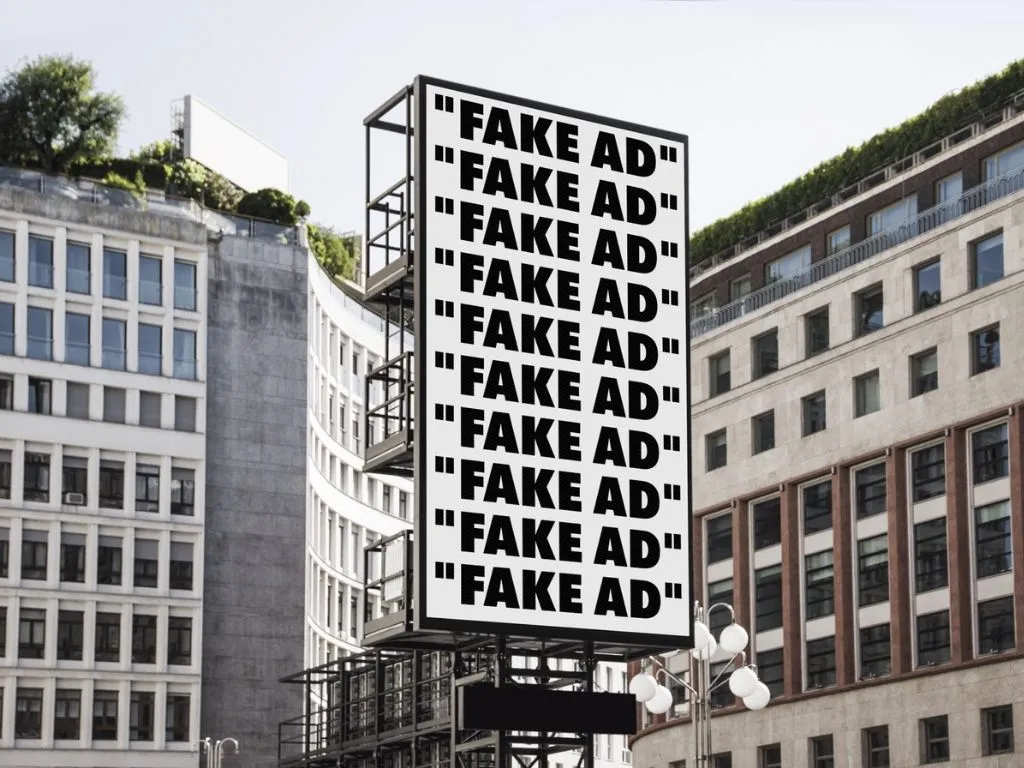 Fig. 5 — Fake ad: advertising for a product that doesn’t exist yet.
Bringing the making back
Whoever uses design thinking with teams should change one thing above all: the first prototype gets made in the first hour, not at the end. It is deliberately bad — paper, tape, a found object. It is not a result but a question asked with the hands. The maps come afterwards, and they get better because everyone has already touched something.
Don’t take down the hexagon poster. Just tape a prototype over it.