StayRaus
A cabin as a kit: how 8 cabins became 38 in one year
- Type
- project
- Year
- Medium
- Modular cabins, production, supply chain
- File
- architecture-tiny-house_1.jpg
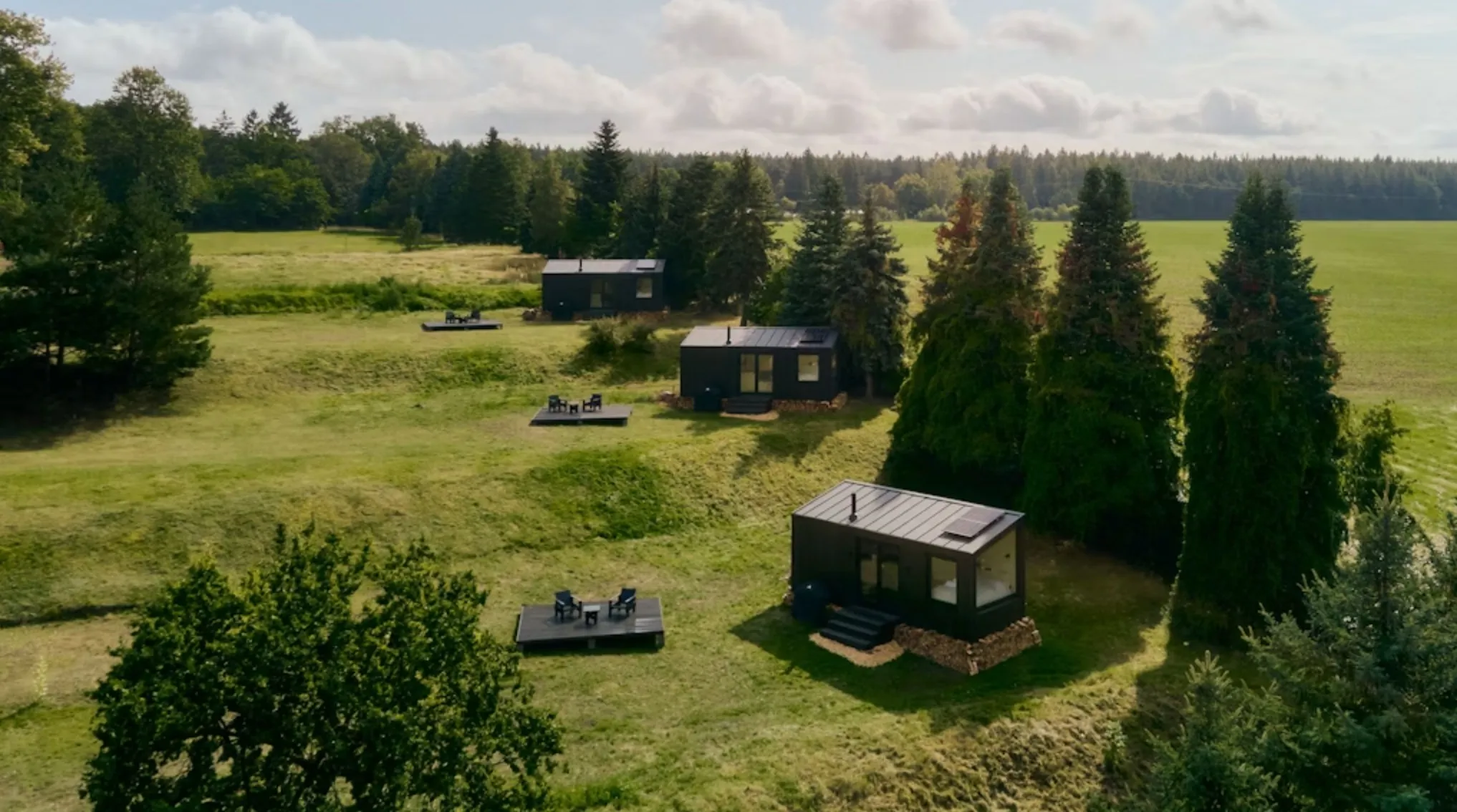
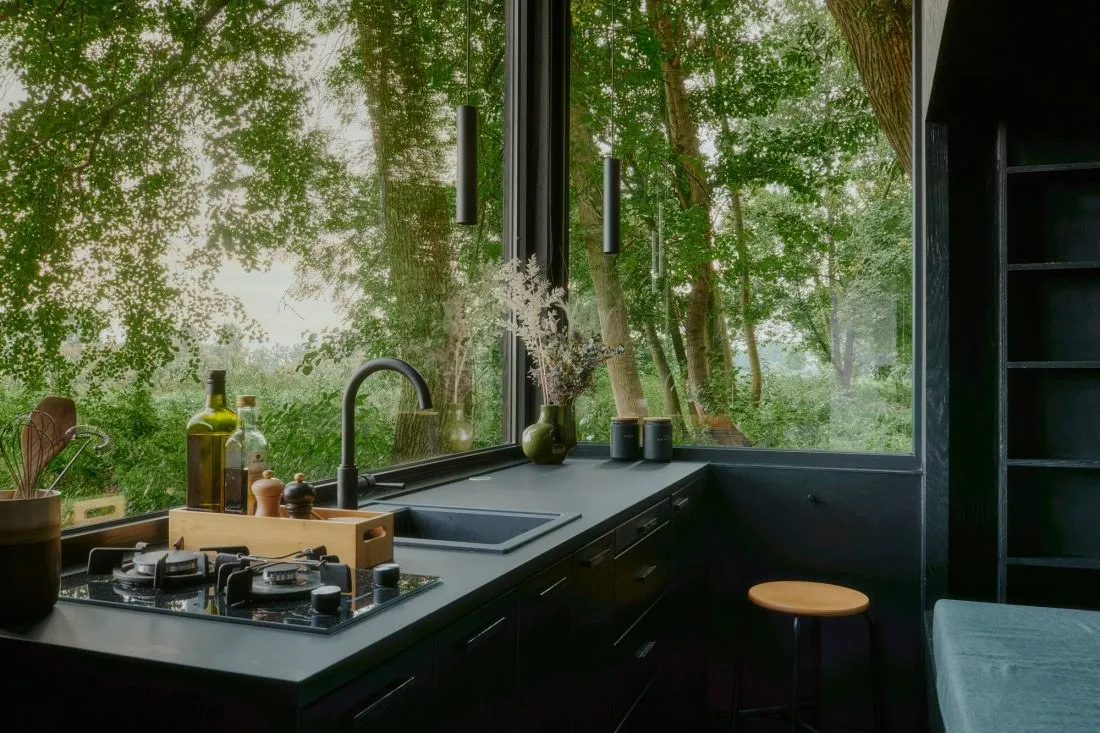
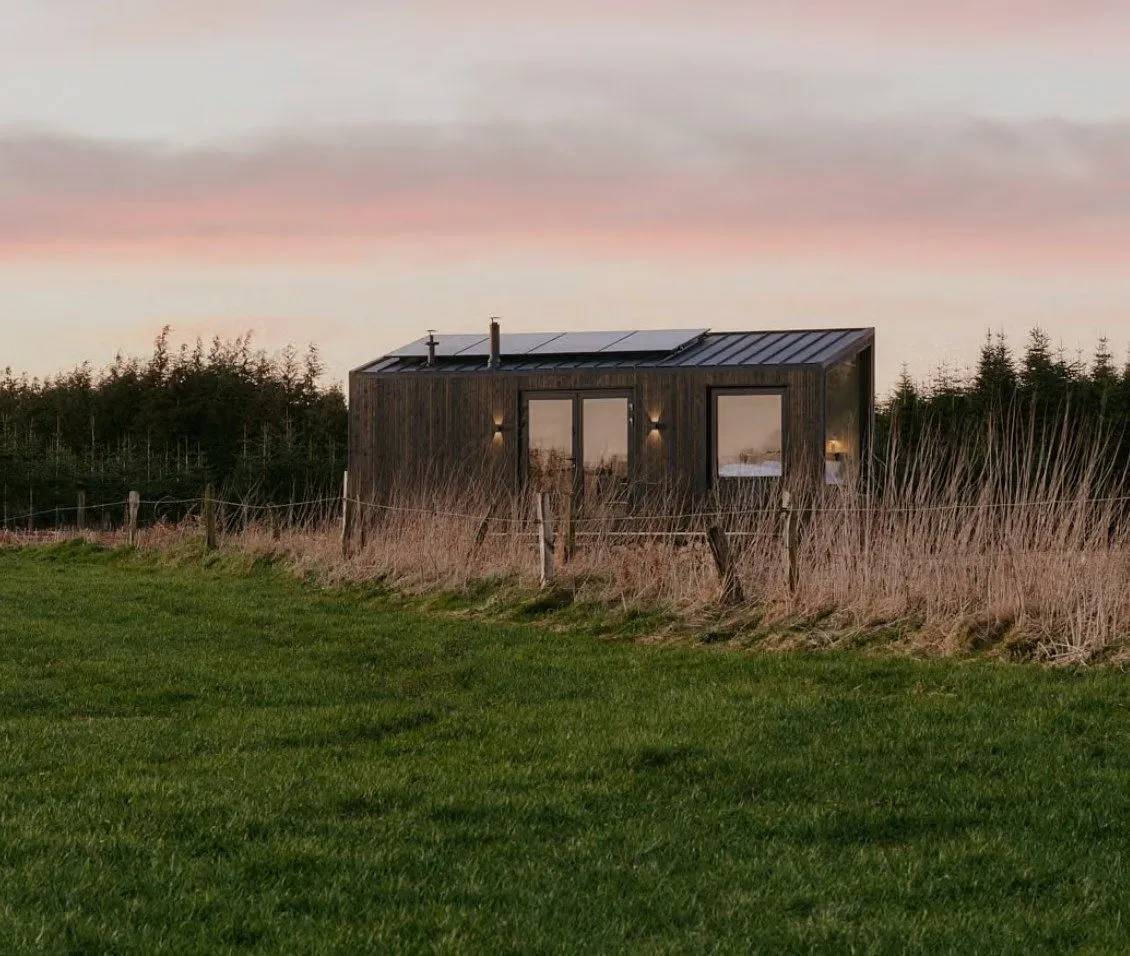
StayRaus is a start-up that rents small cabins in remote places in nature, for city people who want to get out for a few days. I joined as Cabin Production Lead in June 2022. There were eight cabins, each took eight hours to set up, and material costs were rising. The fleet could not grow at the pace of demand.
The task: growth without loss of quality
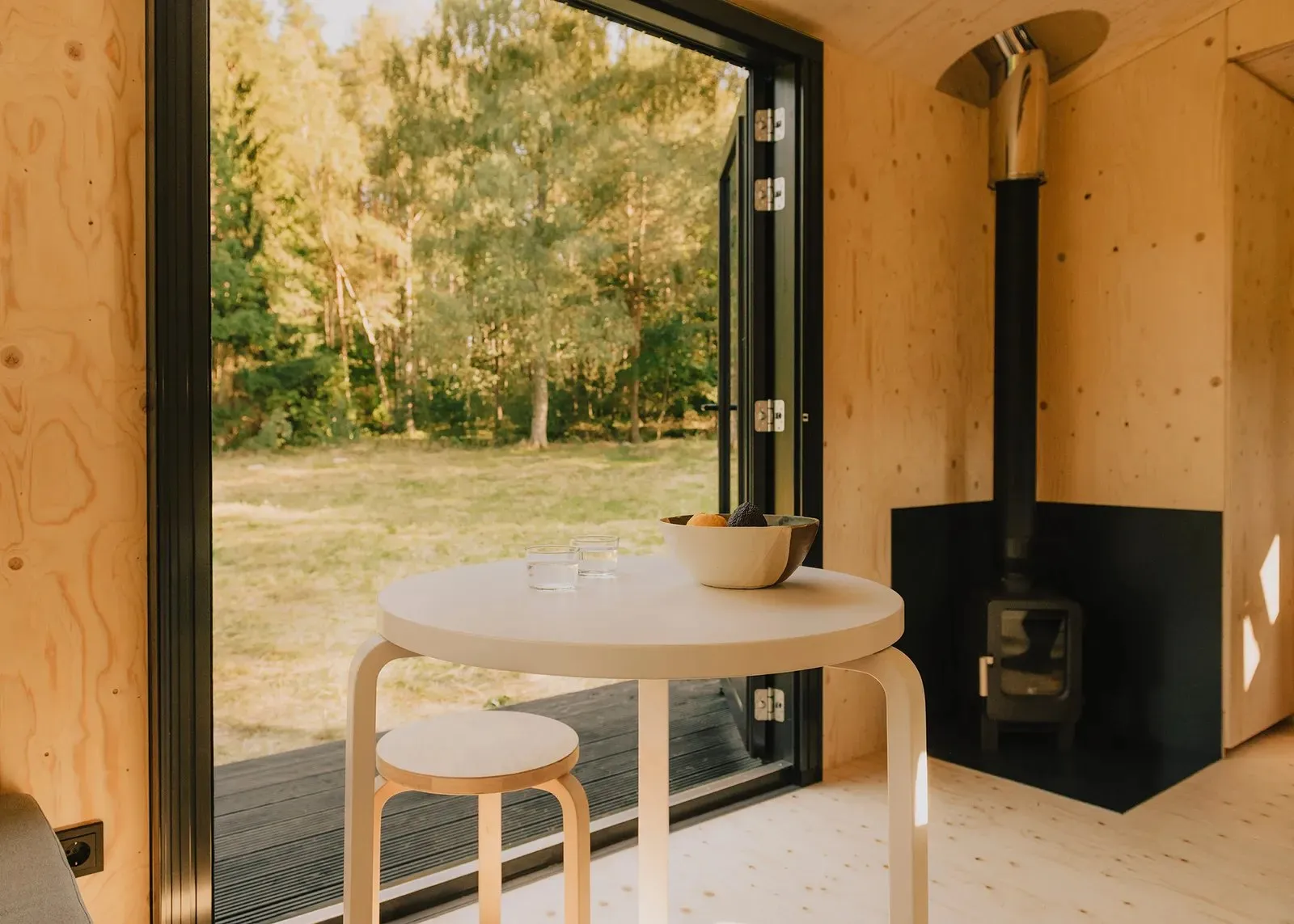
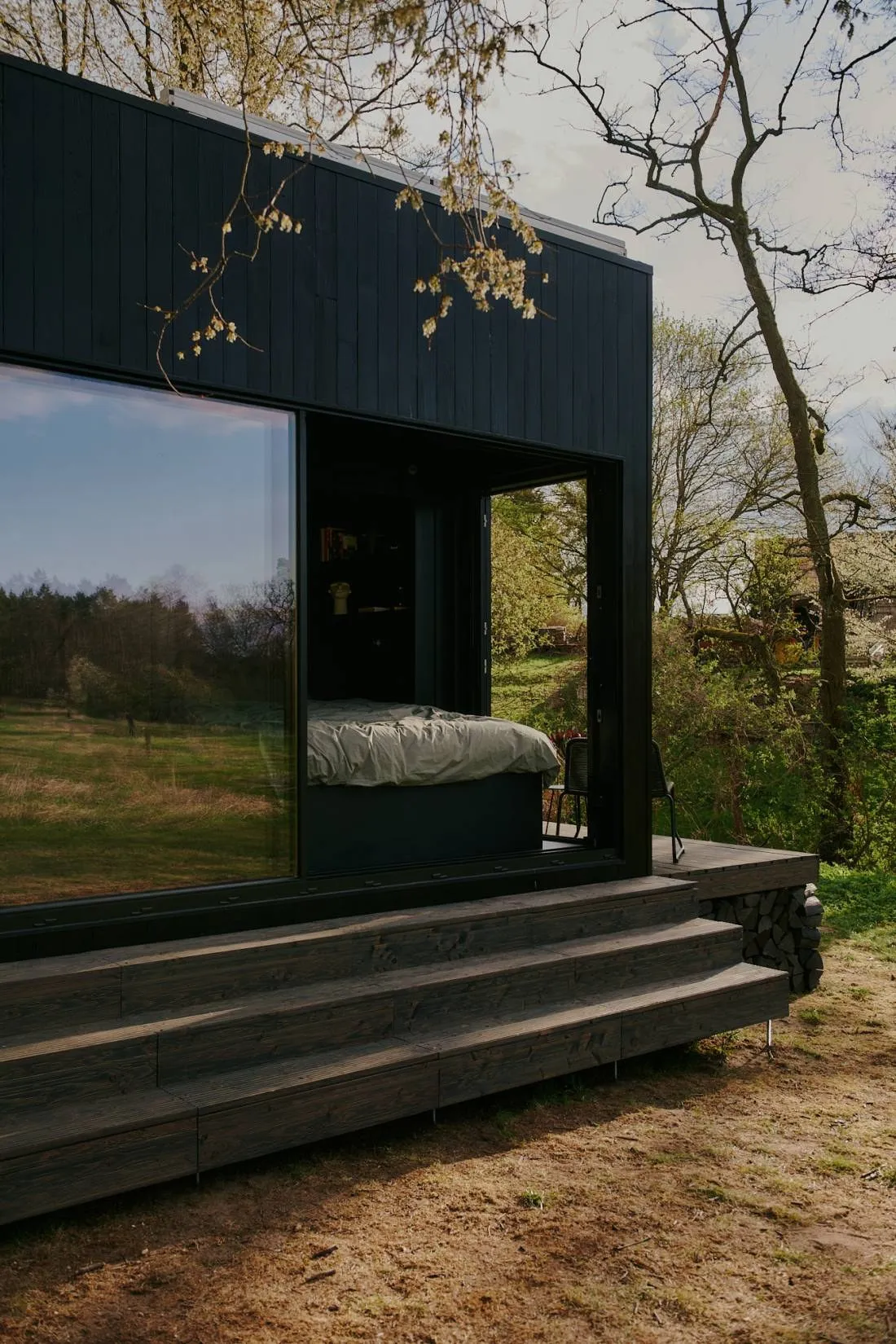
Guests at StayRaus book a promise: a cabin that is simple, warm and carefully built. Every new cabin had to keep that promise — in places without a workshop, with changing crews and under time pressure. So the question wasn’t only how to build faster, but how to build faster without it showing in the cabin.
The decision: the cabin as a kit
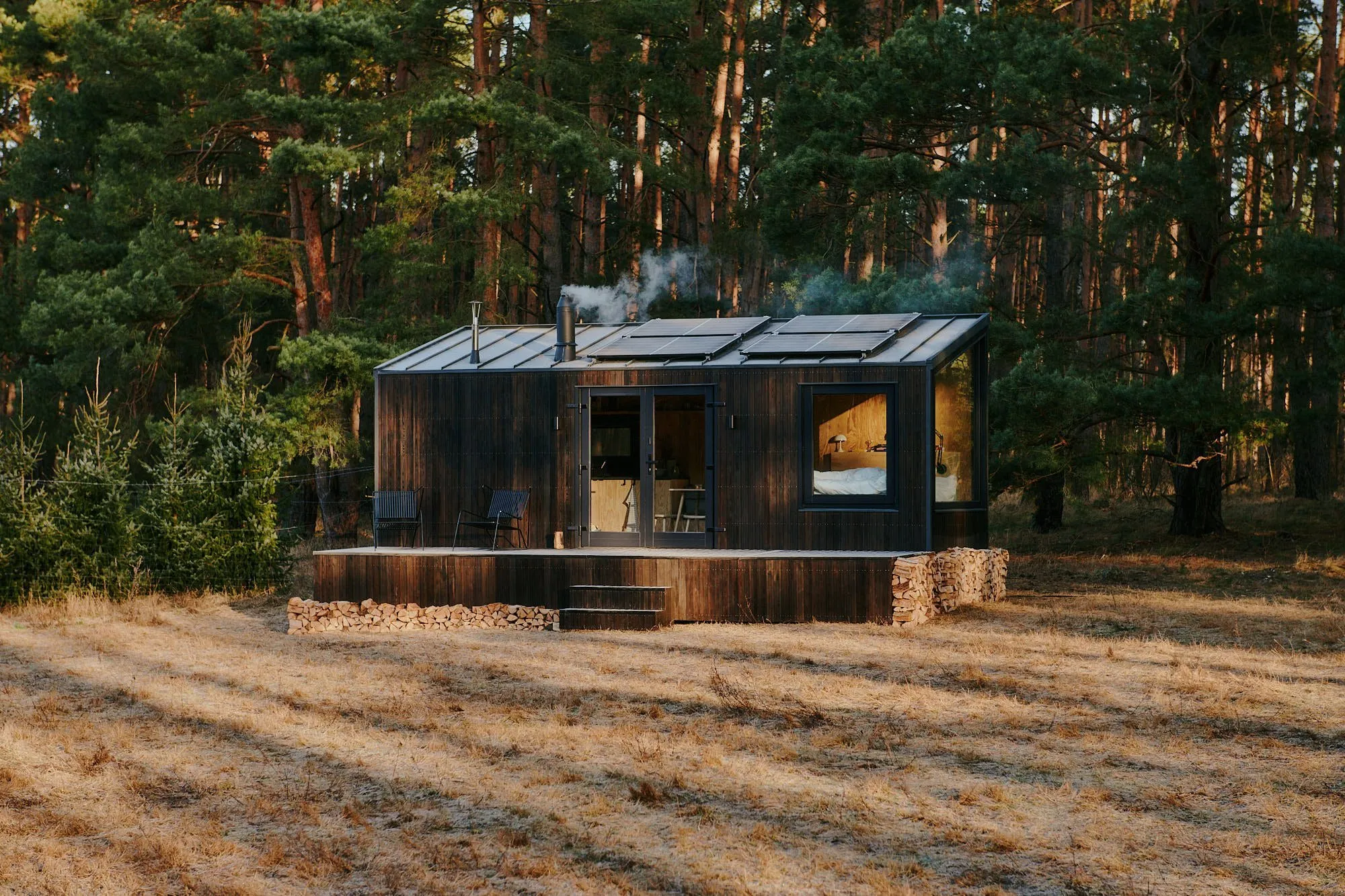
From architecture I know how to think in grid dimensions and components. So I didn’t treat the cabin as a one-off but as a kit: a modular specification with fixed parts, dimensions and connections that can be repeated, improved and assembled the same way on every site. That included a new installation method, which I developed with the team and trained them on.
The process: supply chain and site
With twelve suppliers I renegotiated materials, terms and brand partnerships, and looked for substitutes wherever they didn’t reduce quality. On site, fixed technical standards and procedures applied, so that every cabin turned out equally well no matter who set it up. And I sat at the interface between real estate, construction and operations: sites, components and bookability had to be ready at the same time.
Growth was faster than the structures that should have carried it. Roles and responsibilities were often unclear, and many decisions were made without the structural foresight a production of this size needs. That belongs to an honest account of the year.
The result
Within a year the fleet grew from 8 to 38 cabins. Setup took three hours instead of eight, daily capacity rose from one to three cabins, and procurement costs fell by 21.1 %, with consistent build quality on every site. I took two things with me: how to turn a spatial product into a system under pressure, and how much clarity and support matter in a team that grows faster than its organisation.