Research is the ethics of storytelling
What designers can learn from journalism before telling the next brand story
- Number
- Nr. 006
- Type
- writing
- Year
- File
- research-ethics-storytelling_1.jpg
In 2025 I took a course in the fundamentals of journalism at the NBCU Academy, a year after a course on storytelling at the same place. Both touch a question that occupies me as a designer: we tell stories all the time — about brands, products, spaces. But who actually checks whether they are true? My answer is less comfortable than it sounds. Storytelling without research is advertising. Research without storytelling goes unread. What connects the two isn’t a technique but a duty.
The story comes too early
In design, storytelling usually starts with the story itself. You look for a hero, a conflict, a transformation, and then for images to go with them. The tools for this are good: personas, customer journeys, brand archetypes. But they have a built-in flaw. They supply the shape of a story before you know what is true.
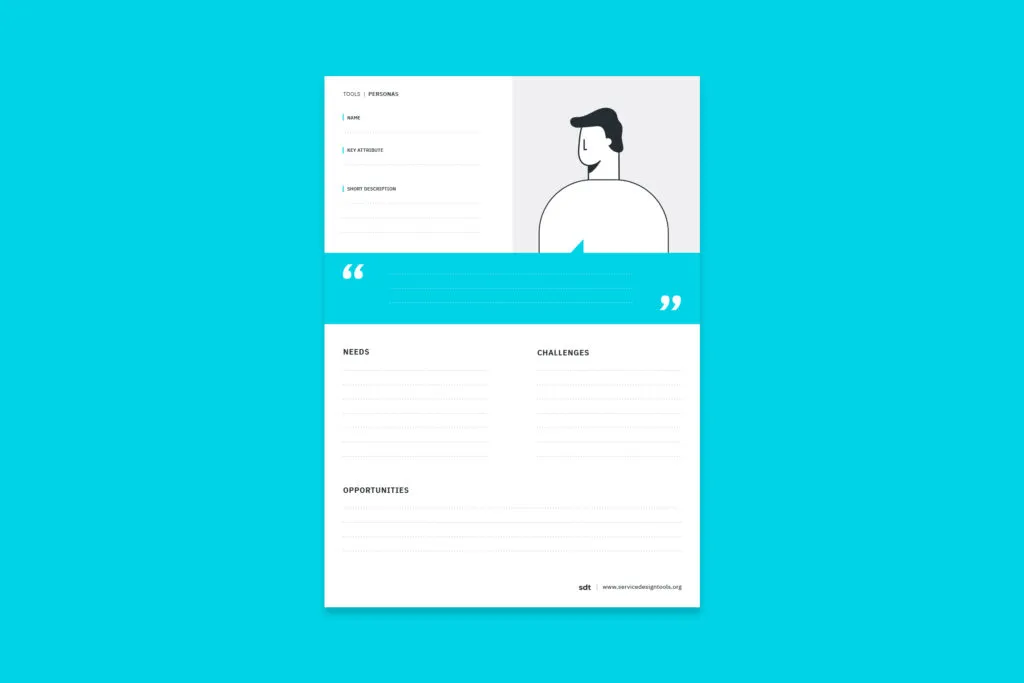 Fig. 1 — A persona template. A good tool, as long as the character comes out of the research rather than before it.
In journalism the order is reversed. First you research, then you weigh, then you tell. Bill Kovach and Tom Rosenstiel described verification as the core that separates journalism from entertainment, propaganda and fiction. The story is the result of the research, not its starting point.
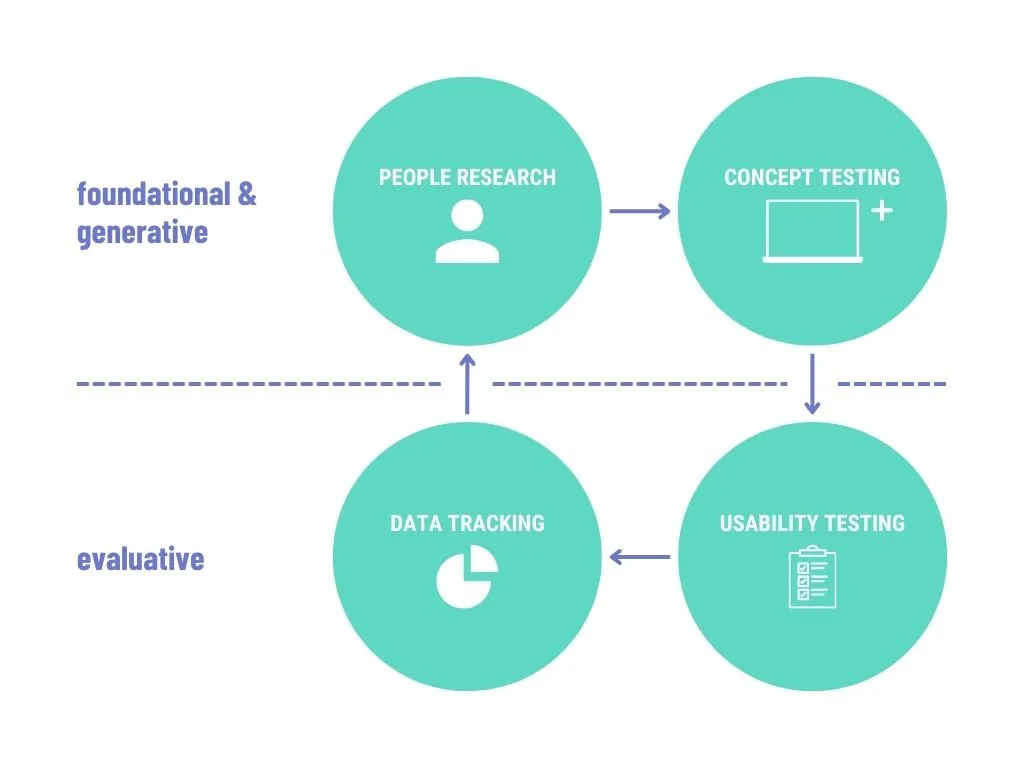 Fig. 2 — Research in design in four fields: understanding people, testing concepts, checking use, analysing data. None of them starts with the story.
Four sentences from another discipline
The Code of Ethics of the US Society of Professional Journalists consists of four principles: seek truth and report it, minimise harm, act independently, be accountable and transparent. They were written for reporters. I consider them the best ethics there is for designers — better than most codes design associations have drawn up.
Seeking truth means, for a brand story: every claim must be provable. The garage founding legend, grandmother’s recipe, the handwork in the manufactory. If it isn’t true, it doesn’t belong in there.
Minimising harm means: the people in the story are not props. Whoever shows craftspeople, farmers or users in a campaign owes them a portrayal they can live with themselves.
Acting independently is the hardest commandment for designers, because we get paid. It doesn’t mean having no client. It means not selling your judgement along with your work, and telling the client when a story doesn’t hold.
Being transparent means: disclose who is speaking. A campaign that looks like a grassroots movement but is paid for by a corporation violates this principle, however beautifully designed it may be.
Kant at the mood board
For the moment you’re unsure, there is an older test. In 1785 Immanuel Kant formulated the categorical imperative: act only according to the rule you could will everyone to act by. In a second formulation: never treat people merely as a means, but always also as an end.
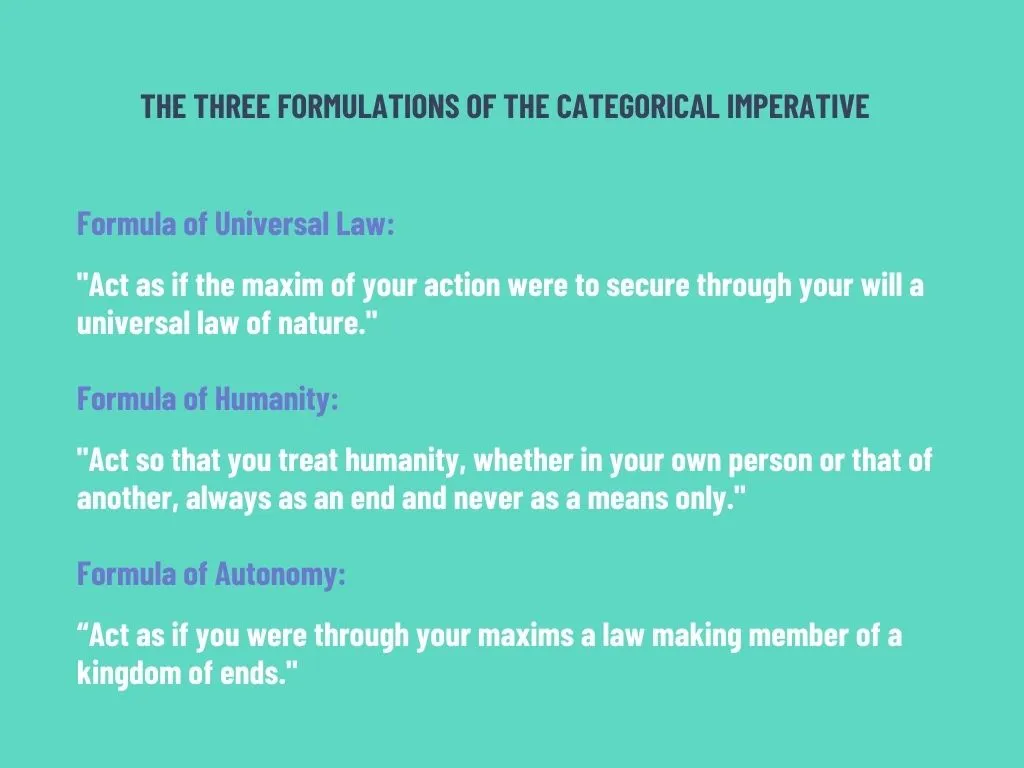 Fig. 3 — Kant’s three formulations: universal law, humanity as an end, autonomy. As test questions for a campaign, they work better than any checklist.
Applied to a story, that means: would I agree if every brand told stories the way this one does? And: am I using the people in the story only to sell something, or do they appear in it as themselves? Both questions can be asked at the mood board in a minute. They change the design surprisingly often.
The proven story is the stronger one
The objection is obvious: a story containing only what can be proven is boring. I think the opposite is true. Invented brand stories resemble each other because they are built from the same patterns: the garage, the grandmother, the passion. Proven stories are messy, with detours, coincidences and mistakes — and for exactly that reason unmistakable.
For me, this closes a circle with my own method. A readymade only works if the found object is real. You can shift a familiar sign by three percent because everyone knows it. An invented story lacks that ground. It is a readymade without an original.
Before you write the next brand story, write the list of evidence first. The story is what remains.